
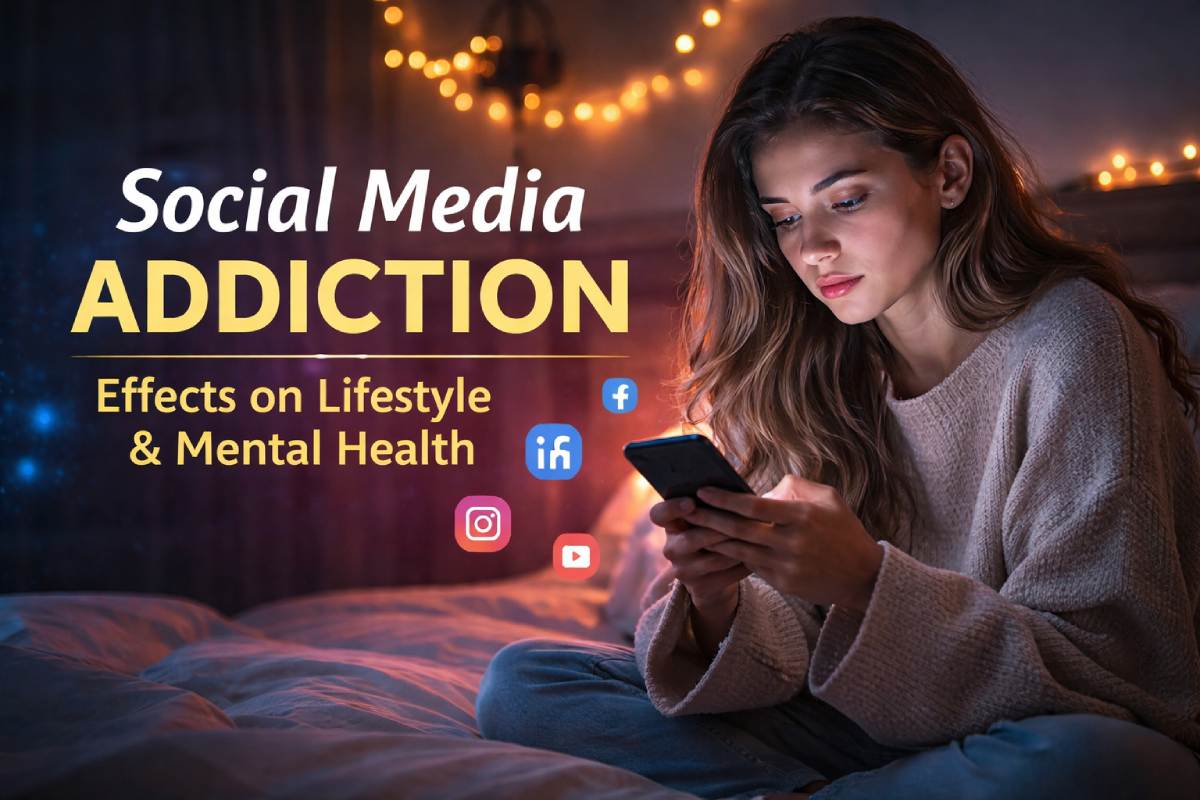
In the modern world, social media has become part of everyday life. People wake up and check their phones. They scroll during meals, before sleeping, and even during work.
Platforms like Instagram, Facebook, and TikTok are designed to keep users engaged for long periods.
While these platforms help people stay connected and entertained, they also create a serious problem known as social media addiction.
Many people do not realize they are addicted. What starts as a few minutes of scrolling can easily turn into hours every day. Over time, this habit can affect mental health, lifestyle, skin health, fitness, and even personal confidence.
On lifestyle websites like Attractioner, it is important to talk about this issue because social media affects how people see beauty, fashion, and themselves.
This article explores how social media addiction impacts different parts of life and offers simple ways to build healthier digital habits.
Table of Contents
Understanding Social Media Addiction
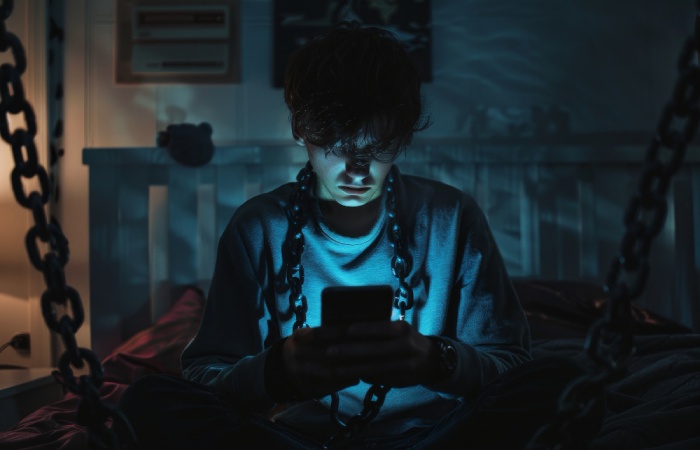
Social media addiction happens when a person feels a strong need to constantly check social platforms. Even when they know it is wasting time or affecting their mood, they still continue to scroll.
Unlike traditional addictions, social media addiction does not involve substances. Instead, it is connected to psychological rewards.
Every like, comment, or notification releases small amounts of dopamine in the brain. Dopamine is a chemical that makes people feel pleasure.
Because of this reward system, the brain begins to crave more interaction and validation.
Over time, users may feel uncomfortable or anxious when they are not checking their phones.
Some common signs of social media addiction include:
- Checking social media immediately after waking up
- Feeling anxious when unable to access social platforms
- Spending several hours scrolling without realizing it
- Ignoring work or responsibilities
- Comparing personal life to online posts
Many experts believe this behavior is increasing because social media platforms are designed to keep users engaged.
Why Social Media Is So Addictive
- Social media platforms use several psychological strategies that make them difficult to stop using.
- One major factor is infinite scrolling. Unlike books or movies that end, social media feeds continue endlessly.
- Another reason is social validation. When people receive likes or positive comments, they feel accepted and appreciated.
- However, when posts receive little attention, users may feel disappointed or insecure.
- The constant comparison with others also plays a role. People usually share the best moments of their lives online.
- When viewers see these highlights repeatedly, they may feel that their own life is less exciting or successful.
- This comparison can slowly affect self-confidence.
The Impact of Social Media Addiction on Daily Lifestyle
- One of the first areas affected by social media addiction is lifestyle.
- People often spend several hours per day on social platforms. This time usually replaces healthier activities such as reading, exercising, or spending time with family.
- A lifestyle filled with constant scrolling can lead to poor time management.
- For example, many people plan to check social media for just a few minutes but end up scrolling for much longer.
- This habit reduces productivity and increases stress.
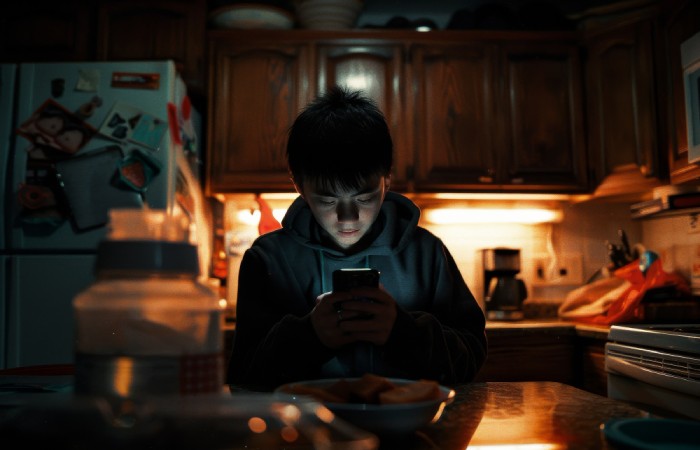
- Late-night scrolling is also common. Many users check their phones before sleeping.
- The blue light from screens can disturb the body’s natural sleep cycle.
- Poor sleep eventually leads to tiredness, low energy, and difficulty concentrating during the day.
Average Daily Social Media Usage by Age Group
| Age Group | Average Daily Usage | Common Behavior |
| 13–18 | 3–5 hours | Video content and trends |
| 18–25 | 4–6 hours | Posting, messaging, scrolling |
| 26–35 | 3–4 hours | Networking and entertainment |
| 36–50 | 2–3 hours | News and family updates |
| 50+ | 1–2 hours | Communication and browsing |
This comparison shows that younger generations spend significantly more time on social media.
Social Media and Mental Health
- Mental health is closely connected to how people use social media.
- Positive interactions can sometimes make users feel supported and connected.
- However, excessive use often creates the opposite effect.
- Constant exposure to perfect photos, luxury lifestyles, and edited images can make users feel inadequate.
- Many people start believing they are not attractive enough, successful enough, or happy enough.
- This feeling is particularly common among teenagers and young adults.
- Online criticism can also be harmful.
- Negative comments or cyberbullying can strongly affect emotional well-being.
For some users, social media becomes a source of anxiety instead of enjoyment.
Social Media and Beauty Standards
- Social media has changed how people see beauty.
- Many influencers and celebrities share edited photos and filtered images.
- These pictures often create unrealistic expectations.
- People may start believing that perfect skin, flawless makeup, and ideal body shapes are normal.
- In reality, many images online are heavily edited.
- This comparison can lower self-confidence, especially among young users..
Social Media Beauty vs Real Beauty
| Social Media Beauty | Real Beauty |
| Filtered photos | Natural appearance |
| Perfect lighting | Everyday conditions |
| Edited body shapes | Natural body diversity |
| Heavy makeup looks | Comfortable daily style |
| Unrealistic standards | Healthy self-confidence |
This comparison reminds readers that beauty on social media is often curated and edited.
Social Media Addiction and Skin Health
Many people do not realize that excessive screen time can affect skin health.
Spending long hours looking at screens exposes the skin to blue light.
Some research suggests that blue light may contribute to skin aging and pigmentation.
Another issue is sleep disruption.
When people stay awake late at night scrolling through social media, their skin does not get enough time to repair itself.
Poor sleep can cause:
- Dark circles
- Dull skin
- Increased acne
- Uneven skin tone
Stress caused by online comparison can also trigger skin problems.
Hormonal changes related to stress often increase oil production, which may lead to acne breakouts.
Screen Time and Skin Effects
| Screen Time | Possible Skin Effects |
| 1–2 hours | Minimal impact |
| 3–4 hours | Mild dryness |
| 5–6 hours | Dull appearance |
| 7+ hours | Acne and dark circles |
Reducing screen time and following a proper skincare routine can help protect skin health.
Social Media Addiction and Fitness
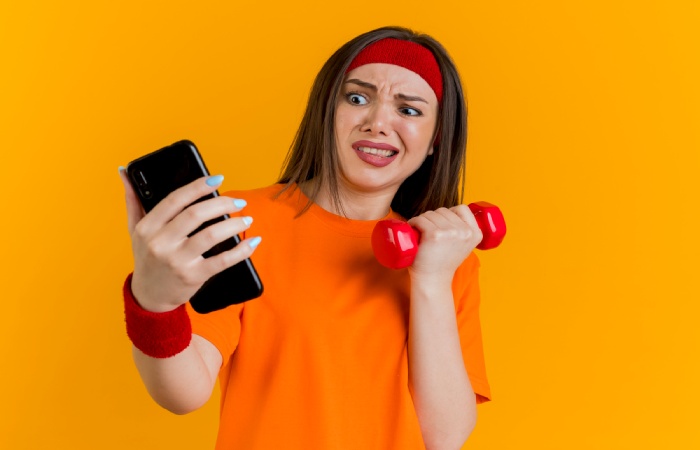
- Another area affected by excessive social media use is physical activity.
- When people spend hours sitting and scrolling, they move less.
- A sedentary lifestyle can increase health risks such as weight gain, poor posture, and low energy levels.
- Replacing even one hour of social media time with physical activity can greatly improve health.
- Activities such as walking, yoga, or home workouts help maintain both physical and mental well-being.
- Fitness also improves mood because exercise releases endorphins, which are natural mood-boosting chemicals.
Social Media Stress and Hair Health
- Stress is a common result of social media comparison.
- People may feel pressure to look perfect or maintain a certain lifestyle.
- Long-term stress can affect hair health.
- Hair loss caused by stress is a real condition.
- When the body experiences stress, the hair growth cycle can be disrupted.
- As a result, some people may notice increased hair shedding.
- Improving lifestyle habits, reducing screen time, and focusing on self-care can help maintain healthy hair.
Lifestyle Habits That Improve Hair Health
| Habit | Benefit |
| Reduced screen time | Lower stress levels |
| Balanced diet | Stronger hair growth |
| Regular sleep | Healthier scalp |
| Exercise | Improved circulation |
Social Media Beauty Trends: Helpful or Harmful?
- Many beauty products become popular because of viral social media trends.
- Influencers often promote skincare products, makeup tools, or hair treatments.
- While some recommendations are useful, others may not suit every skin type.
- Following trends blindly can sometimes cause skin irritation or waste money.
- The best approach is to choose products based on individual needs rather than popularity.
Consumers should read reviews, check ingredients, and consult professionals when necessary.
Digital Detox: A Healthy Solution
A digital detox means taking intentional breaks from social media and digital devices.
It does not mean completely abandoning technology.
Instead, it encourages balanced use.
Simple digital detox habits include:
- Turning off unnecessary notifications
- Setting daily screen time limits
- Avoiding phones before sleep
- Spending more time outdoors
- Practicing hobbies without screens
Many people notice improved mood, better sleep, and increased productivity after reducing social media usage.