
There are common maintenance to-dos floating around in the minds of every homeowner. Change the air filters. Clean out the gutters. Check the smoke detectors. They loiter in the back of the mind, postponed until next weekend, and then the following, until disaster strikes and, suddenly, it’s an urgent matter.
This is the case with certain maintenance that goes unseen. This is the case with others that people deem “fine for now,” or “not worth the time to call,” or “not worth the expense to do now instead of putting it off for a year.” Yet when problems inevitably arise, they usually are beyond what could have been fixed and at a fraction of the cost.
Table of Contents
The Roof No One Ever Thinks Of
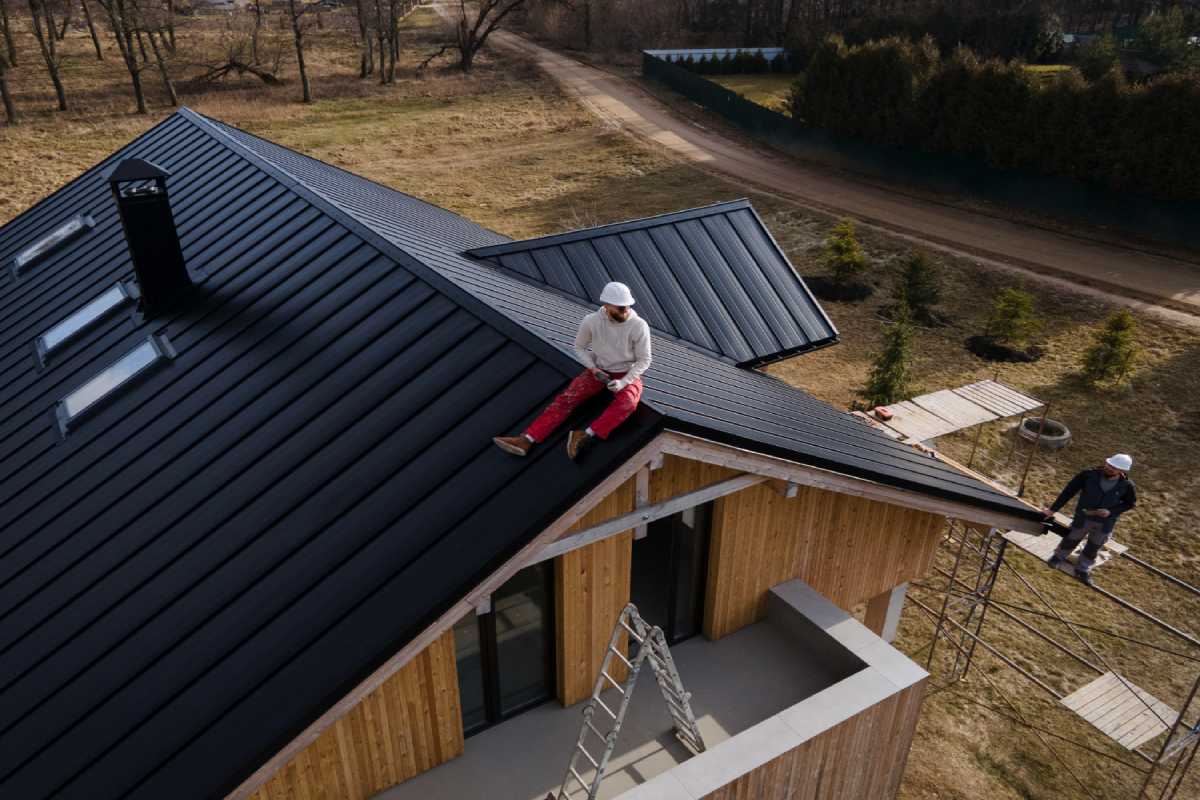
When it comes to home maintenance that people put off the roof is at the top of the list. It’s understandable, it’s up above in the sky, out of sight, out of mind. It doesn’t make any noise when there’s a problem, and it doesn’t stop working all at once. It gradually fails, giving everyone enough time to say it’s probably fine.
Fine, until it isn’t. A small leak that developed two years ago rears its ugly head as a water stain on the ceiling, or, worse, some aggressive rain lets everyone know that something’s wrong when water starts to drip into the living room. But by that time, behind the scenes has deteriorated everything from shingles to wood decking to insulation to fiberglass batting to mold to general unsafe conditions for the structure itself.
Florida makes this even worse. The combination of heavy sun exposure, rain, humidity, and hurricane season means that while roofs here should last 25 years in more temperate climates, they often struggle to survive 20. But that’s fine, people’s roofs look like they did five years ago the last time they assessed them.
Getting regular roof inspections while nothing looks seemingly wrong prevents problems and catches them when they’re small enough to still be manageable. Finding a professional who specializes in roofing repair in Clearwater or another local area to fix small problems early prevents them from becoming giant catastrophes at $15k plus repairs that involve the rest of the house, too.
Air Filters
Air conditioning is a necessity in Florida, which means the systems run practically year-round with dirty air filters. It’s a common neglect in household maintenance, the air filter change, that people keep forgetting about because it’s so simple it shouldn’t matter so much.
But it does. Dirty air filters force the air conditioning system to work harder, use more energy, break parts sooner than necessary, and restrict airflow, which freezes evaporator coils, and shuts down systems with calls for repairs to open up again days later. Poor filtration does one worse with dust particles, allergens and debris that cycle through homes without recirculation leading to poor air quality and aggravation for anyone with respiratory problems.
It’s recommended that people change their filters every one to three months, depending on type, but most fail to change theirs every six months or more. At that point, they aren’t even filters, the lint caught in holes do nothing for systems or air quality anymore, they’re just gross clumps of dirt. It’s a $20 mishap that costs $500 repairs, yet no one cares until they feel it’s become an emergency.
Gutters
The purpose of gutters is to drain water away from a home. Downspouts keep excess moisture away from foundations, siding and landscaping, but when they overflow due to months of debris build-up, it drains right next to a home where it can do damage, creating sinking foundations, rotted wood at the base and ideal conditions for mold growth.
This is a serious problem, even more so when Florida gets torrential downpours during hurricane season, and one storm ends up dumping over a thousand gallons of water, over and down two gutters, where it shouldn’t go anywhere near the house.
Most people think about cleaning their gutters maybe twice a year, or never think about them until it’s visibly streaming over the edge during a rainstorm and into potholes forming along their driveway’s foundation. But by then, it’s too late; damage has already been done. Prevention comes from cleaning out gutters after storm season and before it begins, but this means scaling a ladder and getting dirty or paying someone to do it, making it easier to procrastinate altogether.
The Water Heater
Most people have water heaters in closets or garages or utility rooms that sit there quietly doing their job, until they’re not. Most people think nothing of them unless they run out of hot water or, worse, when their tank explodes and floods everything in its path.
Water heaters have expected lifespans between eight and twelve years depending on models and how well water is treated. Sediment grows inside tanks along with corrosion that makes systems less efficient with age. While people are supposed to flush their tanks once a year to avoid sediment build-up along with corrosion over time most don’t do this because “everything seems fine.”
When water heaters explode, they explode, in 40-gallon waves, filling a space with water that’s ruined a few inches up drywall on the walls, warped flooring and maybe damaged some storage items nearby. The cost of replacement becomes an emergency repair like everything else with inflated extra costs on it, and now it’s compounded with restoration as well from water damage that could have been avoided.
Windows and Doors
Weatherstripping around doors and caulking around windows don’t last forever. They fall off due to sun exposure and temperature changes and typical wear-and-tear, gradually creating gaps through which air enters, and even worse, a gap large enough to let water in during torrential downpours.
These are easy fixes when caught early; recaulking takes no more than 20 minutes with a few dollars’ worth of supplies, but since degradation happens slowly and gaps appear so small, people don’t notice until they feel a draft outside or see ceiling stains on the windowsill because water has penetrated the wall cavity or wood frame for months without anyone knowing better.
Dryer Vents
Lint build-up can occur in dryer vents, and now that everyone constantly does laundry from age six on, even with children doing their own wash it’s easy for dryer vents to go unchecked for lint until there’s an issue. Dryer vents clog, and lint is highly flammable, and while most people have heard horror stories about houses burning down thanks to clogged dryers, most don’t think about theirs until it’s too late; spinning clothes still damp after a full dry cycle, dryer extremely hot to the touch while not even turned on or smelling burning lint when folding clothes out of the dryer tub.
Commercial cleaning or DIY jobs should occur at least once a year (especially in homes where clothes get done more than once a week). It’s one of those things that get ignored because negligence makes it easier than understanding what’s at stake.
The Commonality Between These Neglected Repairs/Maintenance
These items all share specific reasons why they’re easily skipped: They’re out of sight; they’re not problems immediately; they happen incrementally, not overnight; they take effort, and money, to spend on now when it seems cheap or simple enough to do later; yet when tragedy strikes, they often cost homeowners more than what’s expected because repairs become secondary surges.
The mindset does not change although these shortcuts fail to save money/energy/effort/time down the line; instead, it converts manageable tasks into gigantic problems homeowners could have avoided in the first place when proactive.
It’s $200 roof repairs versus $15k overhauls plus interior access spots required; $30 filter replacements versus $3k compressor replacements; $50 gutter clean-outs versus foundation repairs costing thousands.
Staying above demands proactive attitude adjustments versus waiting until problems announce themselves. The maintenance that seems optional now is a repair bill that will not be optional later; too many homeowners learn their lesson the hard way at least once, while the smart ones adjust their habits after their first time instead of repeating cycles again and again.