
Going under the knife is a huge deal. No one should rush into it. Breast enhancement surgery changes how a person looks and feels. But it also comes with risks and tough choices.
A smart decision takes time and honest questions. This article lays out the big factors. Read them carefully. Then sit with the answers. A good outcome starts long before the operating room.
Table of Contents
Know the “Why”
Some people want a fuller shape. Others want balance after losing weight or having kids. The reason matters a lot. In fact, the breast augmentation Toronto women can get looks very different from one person to the next.
A surgeon will ask about goals first. Is the wish to feel more confident? To fit clothes better? To fix a change from pregnancy? There is no wrong answer. But the answer shapes everything. A person with a clear “why” stays happier after surgery. They know what real success looks like. Fuzzy goals lead to fuzzy results.
Pick the Right Surgeon
Not all doctors are equal. Some have amazing skills. Others just have a nice website. Look for a board-certified plastic surgeon. Check reviews from real patients. Ask to see before and after photos. A good surgeon will answer every silly question. A bad one will rush the visit.
Also check hospital privileges. That means the doctor can work in a real hospital. It is a safety net. Do not skip this step. A cheap surgeon might cost more in the long run. Complications are expensive and scary.
Implant Type Matters
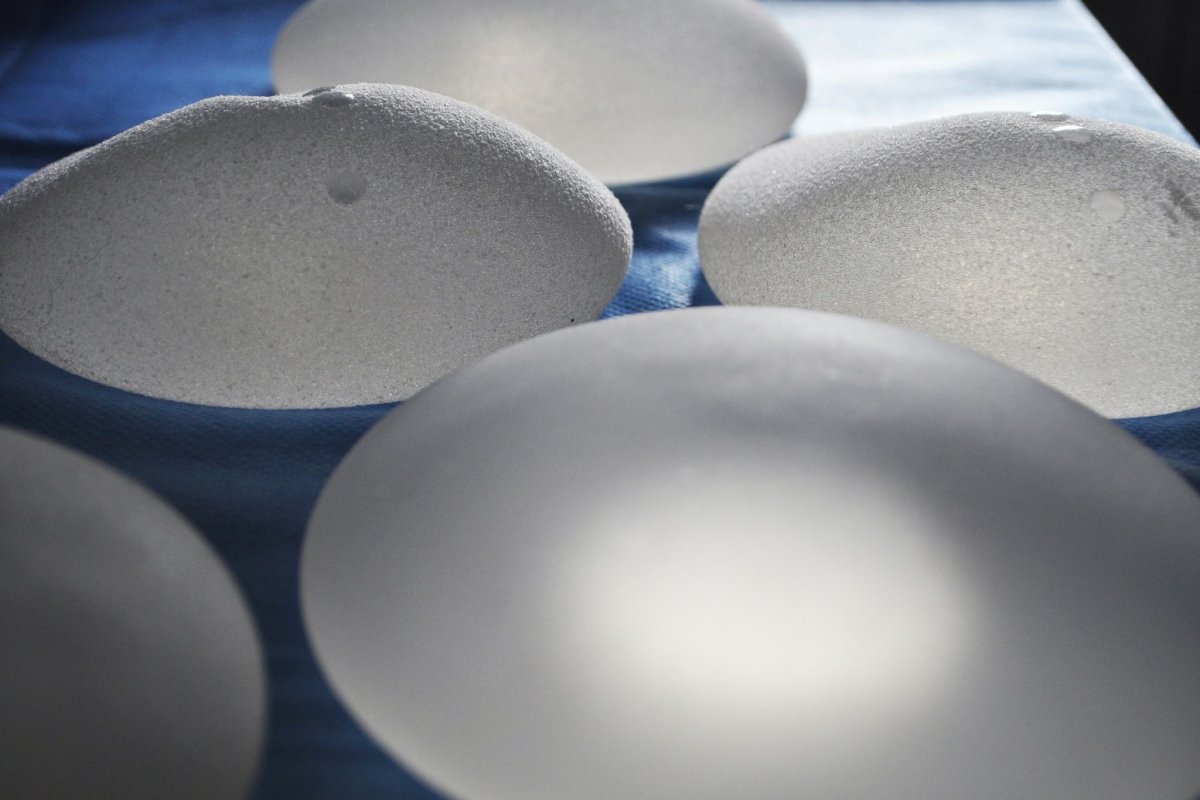
Two main choices exist. Saline or silicone. Saline implants feel a bit firmer. They use salt water. If they leak, the body absorbs the water safely. Silicone implants feel more natural. They use a thick gel. But a silent leak is harder to notice. Each type needs regular checkups. A person must decide which trade-off feels better.
Also think about shape. Round or teardrop. Round gives more upper fullness. Teardrop looks more natural. There is no perfect choice. Only the right choice for that body.
Size and Proportion
Bigger is not always better. A huge chest can cause back pain. It can make exercise tough. Finding shirts becomes a nightmare. A good surgeon will talk about proportions. The width of the shoulders matters. The amount of natural breast tissue matters.
The skin quality matters too. Go too large, and the skin stretches too fast. That leaves ugly marks. Go too small, and the money feels wasted. Try on sample sizes at the clinic. Wear a tight shirt. Move around. See how it feels. Trust the mirror more than the ego.
Incision and Placement
The cut location leaves a scar. Several options exist. Under the breast fold. Around the nipple. Through the armpit. Each spot has pros and cons. Under the breast hides well in the bra. Around the nipple scars more visibly for some people. Armpit cuts keep the breast skin clean but limit some implant types.
Placement also matters. Above or under the chest muscle. Above the muscle means a faster recovery. Below the muscle looks more natural and causes fewer problems with mammograms. But it hurts more at first. No free lunch here.

Recovery Takes Time
This is not a weekend project. The first few days feel rough. Moving arms high hurts. Lifting anything heavy is a bad idea. Driving takes a week or two. Work needs at least a week off. Physical jobs need longer.
A person must have help at home. Someone to cook and drive. Pain meds cause sleepiness and weird dreams. Swelling sticks around for months. The final look takes half a year to appear. Patience is a must. Plan for the ugly phase. It passes.
Risks and Reality Checks
Every surgery carries danger. Infection. Bleeding. Bad scarring. Loss of nipple feeling. These are rare but real. Also plan for the future. Implants are not lifetime devices. Most need replacement after ten to fifteen years. That means another surgery. Another recovery. Another bill.
A person must stay committed to checkups. MRIs for silicone implants. Physical exams for saline. Ignoring maintenance leads to trouble. Ask any plastic surgeon. The happiest patients are the ones who do their homework first. They accept the trade-offs. Then they move forward with open eyes.